
Какие вопросительные предложения существуют в английском языке
По цели высказывания все предложения делятся на повествовательные (предложения, которые сообщают факты в утвердительной или отрицательной форме), повелительные (предложения которые выражают приказания, просьбы и приглашения), вопросительные (предложения, которые задают вопросы с целью получения нужной информации). В этом уроке мы разберём всё что касается вопросительных предложений.
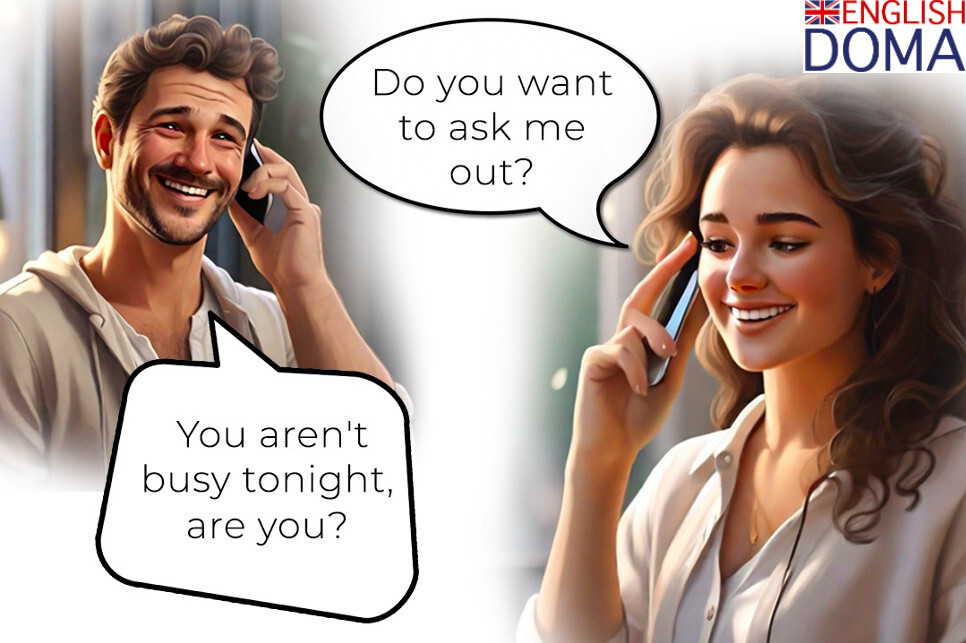
Всего в английском языке 5 типов вопросов:
1. Общий вопрос (the General Question) этот вопрос этот вопрос мы задаём ко всему предложению и ожидаем ответа Да или Нет (Yes или No)
Они ложатся спать рано? Да.
Do they got to bed early? Yes, they do.
2. Специальный вопрос (the Special Question) этот вопрос мы можем задать к любому члену предложения для того, чтобы получить какую-то конкретную информацию. Для этого мы используем вопросительные слова what, when, where, why, how, which, what kind of, whom.
Когда он лёг спать?
When did he go to bed?
3. Альтернативный вопрос (the Alternative Question) это такой вопрос, который даёт нам выбор между двумя предметами или лицами, а также между их качествами или действиями.
Ты предпочитаешь спагетти или пиццу?
Do you prefer spaghetti or pizza?
4. Разделительный вопрос ( the Tag Question) этот вопрос мы задаём когда хотим выразить сомнение, удивление или найти подтверждение сказанному в русском это «не так ли?» «правда?» «верно?» «ведь. . .»
Они были там вчера, правда?
They were there yesterday, weren’t they?
Вы ведь доктор?
You’re a doctor, are’t you?
5. Вопрос к подлежащему (the Question to the Subject) этот вопрос мы задаём когда хотим узнать кто или что совершает действие.
Кто шумит?
Who is making all this noise?
Что делает тебя счастливым?
What makes you happy?
Как составлять вопросительные предложения (объяснение с примерами)
Чтобы грамотно составлять вопросительные предложения необходимо запомнить одно правило: чтобы получился вопрос нужно глагол to be или вспомогательный глагол поставить перед подлежащим т.е. перед тем кто главный. Это правило работает практически для любого вопроса. Для примера предлагаю одно предложение к которому мы зададим все 5 типов вопросов.
She is at home in the evening.
(Она дома вечером)
1. Is she at home in the evening? (Глагол to be поставили перед тем кто главный и получили общий вопрос)
2. Чтобы задать специальный вопрос нам понадобиться вопросительное слово:
when-когда,
where — где,
what — что, какой,
why — почему,
how-как,
whose — чей и тд.
Вопросительное слово как и в русском языке будет стоять в самом начале вопроса. И помните о главном правиле, «чтобы получился вопрос нужно глагол to be или вспомогательный глагол поставить перед подлежащим т.е. перед тем кто главный».
When is she at home? (Когда она дома?)
Where is she in the evening? (Где она вечером?)
3. Для того чтобы задать альтернативный вопрос, нам понадобиться or — или, но правило работает как обычно.
Is she at home or at work in the evening? (Она дома или на работе вечером?)
4. Разделительный вопрос называется разделительным, потому что он делится на две части запятой. Переписываем предложение, ставим запятую и после запятой задаём вопрос.
Этот вопрос еще называют вопрос с хвостиком. В «хвостике» не может быть имён или существительных, только местоимения. Так что если в главной части имя или какое-то другое слово, необходимо заменить его на местоимение (he, she, it, they, we). Ещё один важный момент: если часть вопроса до запятой утвердительна, то хвостик будет отрицательным и наоборот.
She is at home in the evening, isn’t she?
She is not at home in the evening, is she?
В разделительный вопросах которые начинаются на «let’s» хвостик всегда будет «shall we?»
Let’s invite them to the party, shall we?
Когда разделительный вопрос начинается с неопределенного местоимения (nobody, no one, someone, somebody, everyone, everybody), в хвостике мы заменим его на «they»
Nobody has slept yet, have they?
Everyone knows him, doesn’t they?
Когда разделительный вопрос начинается «I am», в хвостике используем «aren’t I»
I am right, aren’t I?
Когда разделительный вопрос в повелительном наклонении (команда), в хвостике используем «will» или «would»
Please, open the window, will you?
Please, open the window, would you?
5. Вопрос к подлежащему самый простой в построении. Нужно просто закрыть подлежащее и вместо него поставить What или Who, всё остальное переписываем как есть.
Who is at home in the evening?
Единственный момент, который необходимо учитывать это то что What и Who приравнивается к единственному числу, значит нужно согласовать глагол. Например если дано предложение:
They are at home.
Когда спрашиваем Who необходимо are заменить на is, так как who это третье лицо единственное число. Who is at home?
Теперь зададим 5 типов вопросов к предложению в котором есть глагол.
В таком предложении для того чтобы получился вопрос перед подлежащим, мы будем ставить вспомогательный глагол (время present simple значит вспомогательный глагол — «do»)
Their children go to school on Saturdays.
(Их дети ложаься спать рано по субботам)
1. Do their children go to school on Saturdays? (Общий вопрос)
2. When do their children go to school? (Специальный вопрос)
Where do their children go on Saturdays? (Специальный вопрос)
3. Do their children go to school on Saturdays or Sundays? (Разделительный вопрос)
4. Their children go to school on Saturdays, don’t they? (Альтернативный вопрос). Их дети мы заменили на местоимение «они», так как в хвостике можно использовать только местоимения.
5. Who goes to school on Saturdays? (Вопрос к подлежащему). Здесь мы к глаголу добавили окончание «s», так как Who приравнивается к he/she/it.
Рассмотрим пример с модальным глаголом.
Когда мы задаём вопрос с глаголами can, must, should нам не требуется ни глагол to be, ни вспомогательный глагол. Нужно просто глаголы can, must, should поставить перед тем, кто главный.
His parrot can talk.
(Мой попугай умеет разговаривать)
1. Can his parrot talk? (Общий вопрос)
2. What can his parrot do? (Специальный вопрос)
3. Can his parrot talk or walk? (Альтернативный вопрос)
4. His parrot can talk, can’t it? (Разделительный вопрос)
5. Whose parrot can talk? (Вопрос к подлежащему)
Рассмотрим предложение в прошедшем времени.
The tourists arrived in Moscow last night.
(Эти туристы прибыли в Москву прошлой ночью)
1. Did the tourists arrive in Moscow last night? (Общий вопрос)
2. When did the tourists arrive in Moscow? (Специальный вопрос)
Where did the tourists arrive last night? (Специальный вопрос)
3. Did the tourists arrive last night or an hour ago? (Альтернативный вопрос)
4. The tourists arrived in Moscow last night, didn’t they? (Разделительный вопрос)
5. Who arrived in Moscow last night? (Вопрос к подлежащему)
Упражнения на построение всех типов вопросов в английском языке
Скачать упражнения и ответы → exercises pdf
Exercise 1. Fill in the gaps with do/does/did.
1. Where ________ he live?
2. Sarah has an interesting job, ________ n’t she?
3. What time ________ he get up yesterday?
4. ________ they go out or stay at home yesterday?
5. Her brother doesn’t live in a big city, ________ he?
6. What ________ Nick do an hour ago?
7. Who ________ the washing up every day?
8. ________ he go to work last week?
9. How ________ you usually spend your free time?
10. Her husband works night shifts, ________ n’t he?
11. ________ the children like having a shower?
12. When ________ she water the flowers last time?
13. ________ Ivan and Ann speak English or Spanish?
14. What languages ________ Sean speak?
15. How long ago ________ they meet?
16. How often ________ his wife do the vacuuming?
17. ________ she do the ironing the day before yesterday?
18. Who ________ the shopping last week?
19. Who usually ________ this work?
20. The parents came home late yesterday, ________ n’t they?
21. You didn’t visit your parents last weekend, ________ you?
Exercise 2. Order the words to make questions.
1. musical / play / John / what / can / instrument?
2. you / who / waiting / are / for?
3. a / pet / Ben / he / has / hasn’t got?
4. a / bought / a / or / they / car / have / boat?
5. with / he / fall / her / not / in / he / did / love?
6. is / now / on / who / duty?
7. their / often / visit / how / do / parents / they?
8. she / does / what / like?
9. will / drive / you / carefully?
10. now / she / she / is / is / sleeping / not?
11. last / watch / or / they / night / did / Monday / the / on / match?
12. the / goes / which / to / bus / station?
13. you / can / visit / when / us?
14. do / where / live / they?
15. usually / work / after / does / do / he / what?
16. off / did / drop / they / him / where?
17. comedy / you / a / or / film / watch / did / a / yesterday / horror?
18. for / we / go / shall / a / let’s / walk?
19. team / which / won?
20. Simon / the / the / can / violin / play / guitar / or ?
21. have / time / the / breakfast / what / children / did?
22. he / what / can / do?
23. like / he / what / does / look?
24. late / you / be / don’t / will?
25. children / after / night / the / who / last / looked?
26. polish / they / are / his / not / parents / are?
27. the / who / dog / feeds?
28. can / you / not / swim / you / can?
29. their / done / have / the / have / homework / not / they / already / children?
Exercise 3. Make questions for these sentences.
1. We are staying at the Park Hotel.
Where ____________________________________________?
2. He came there by bus.
How ____________________________________________?
3. His wife is very nice.
What ____________________________________________?
4. The tourists arrived last night.
When ____________________________________________?
5. We came here to talk.
Why ____________________________________________?
6. She lives about 5 km from here.
How far ____________________________________________ ?
7. Our new neighbours are very noisy.
What ____________________________________________?
8. He is 37 years old.
How old ____________________________________________?
9. We have been to London today.
Where ____________________________________________?
10. The weather was perfect.
What ____________________________________________?
11. His younger daughter likes ice cream.
What ____________________________________________?
12. Her plane arrives at 7.
What time ____________________________________________?
13. He was driving 90 km/h.
How fast ____________________________________________?
14. They like being read before sleeping.
Who ____________________________________________?
15. His fairy tales are really good.
What ____________________________________________?
Exercise 4. Match the two columns to form sentences.
|
1) Nobody phoned her, 2) Your parents are usually tired after work, 3) The dog hurt itself, 4) They started the meeting an hour ago, 5) His parents were there, 6) You won’t see her tomorrow, 7) The book was written a hundred years ago, 8) We must’t make a noise after 11 pm, 9) Everyone was deliriously happy, 10) Their daughter has got blue eyes, 11) She speaks fluent English, 12) Let’s start, 13) This guy is really good at History, 14) Their neighbour doesn’t go to church, 15) You got here by ferry, 16) Her husband can play the guitar, |
a) didn’t it? b) doesn’t she? c) didn’t you? d) must we? e) isn’t he? f) aren’t they? g) did they? h) hasn’t she i) does he? j) will you? k) can’t he? l) didn’t they? m) shall we? n) were they? o) weren’t they? p) wasn’t it? |
Exercise 5. Correct the mistakes in these sentences.
1. When did the car broke down?
2. What does you want to be when you grow up?
3. She bought the dress or made it by herself?
4. Why did they call the concert off?
5. Nobody knows the truth, don’t they?
6. Have the guests already arrived?
7. Who does picks on him at school?
8. What time do he usually go to bed?
9. Does his secretary speak Chinese?
10. How often you meet your friends?
11. Her daughter goes in for windsurfing, does she?
12. Whose are mittens on the bench?
13. Do you at home?
14. When they are going to hit the road?
15. Their train arrives in an hour, doesn’t he?
16. Are they go out on Saturdays evenings?
17. Who did broke the window?
18. Everybody is enjoying the party, isn’t he?
Exercise 6. Choose the correct option.
1. How far/old is his son?
2. What/Where does BBC stand for?
3. Are they/he at friend’s?
4. Can/Do he help us with the project?
5. Is/does he studying for the exam?
6. When/Why did you skip chemistry class last week?
7. Her husband has a knack for making money, doesn’t she/he?
8. Where/What did they buy the house?
9. Who/Which helps them with their homework?
10. Nobody played truant last month, did/didn’t they?
ANSWERS
Exercise 1. 1. does, 2. does, 3. did, 4. did, 5. does, 6. did, 7. does, 8. did, 9. do, 10. does, 11. do, 12. did, 13. do, 14. does, 15. did, 16. does, 17. did, 18. did, 19. does, 20. did, 21. did
Exercise 2. 1. What musical instruments can John play? 2. Who are you waiting for? 3. Ben hasn’t got a pet, hasn’t he? 4. Have they bought a car or a boat? 5. Didn’t he fall in love with her? 6. Who is on duty now? 7. How often do they visit their parents? 8. What does she like? 9. Will you drive carefully? 10. She is sleeping now, isn’t she? 11. Did they watch the match last night or on Monday? 12. Which bus goes to the station? 13. When can you visit us? 14. Where do they live? 15. What does he usually do after work? 16. Where did they drop him off? 17. Did you watch a horror film or a comedy yesterday? 18. Let’s go for a walk, shall we? 19. Which team won? 20. Can Simon play the guitar or the violin? 21. What time did the children have breakfast? 22. What can he do? 23. What does he look like? 24. Don’t be late, will you? 25. Who looked after the children last night? 26. Their parents are polish, aren’t they? 27. Who feeds the dogs? 28. You can swim, can’t you? 29. Have the children already done their homework, haven’t they?
Exercise 3. 1. Where are we staying at? 2. How did he come there? 3. What is his wife like? 4. When did the tourists arrive? 5. Why did he come here? 6. How far does she live? 7. What are our new neighbours like? 8. How old is he? 9. Where have you been to today? 10. What was the weather like? 11. What does his younger daughter like? 12. What time does her plane arrive? 13. How fast was he driving? 14. Who likes being read before sleeping? 15. What are his fairy tales like?
Exercise 4. 1)g, 2)f, 3)a, 4)l, 5)o, 6)j, 7)p, 8)d, 9)n, 10)h, 11)b, 12)m, 13)e, 14)i, 15)c, 16) k
Exercise 5. 1. When did the car break down? 2. What do you want to be when you grow up? 3. Did she buy the dress or make it by herself? 4. Why did they call the concert off? 5. Nobody knows the truth, do they? 6. Have the guests already arrived? 7. Who picks on him at school? 8. What time does he usually go to bed? 9. Does his secretary speak Chinese? 10. How often do you meet your friends? 11. Her daughter goes in for windsurfing, doesn’t she? 12. Whose mittens are on the bench? 13. Are you at home? 14. When are they going to hit the road? 15. Their train arrives in an hour, doesn’t it? 16. Do they go out on Saturdays evenings? 17. Who broke the window? 18. Everybody is enjoying the party, aren’t they?
Exercise 6. 1. How old is his son? 2. What does BBC stand for? 3. Are they at friend’s? 4. Can he help us with the project? 5. Is he study for the exam? 6. Why did you skip chemistry class last week? 7. Her husband has a knack for making money, doesn’t he? 8. Where did they buy the house? 9. Who helps them with their homework? 10. Nobody played truant last month, did they?